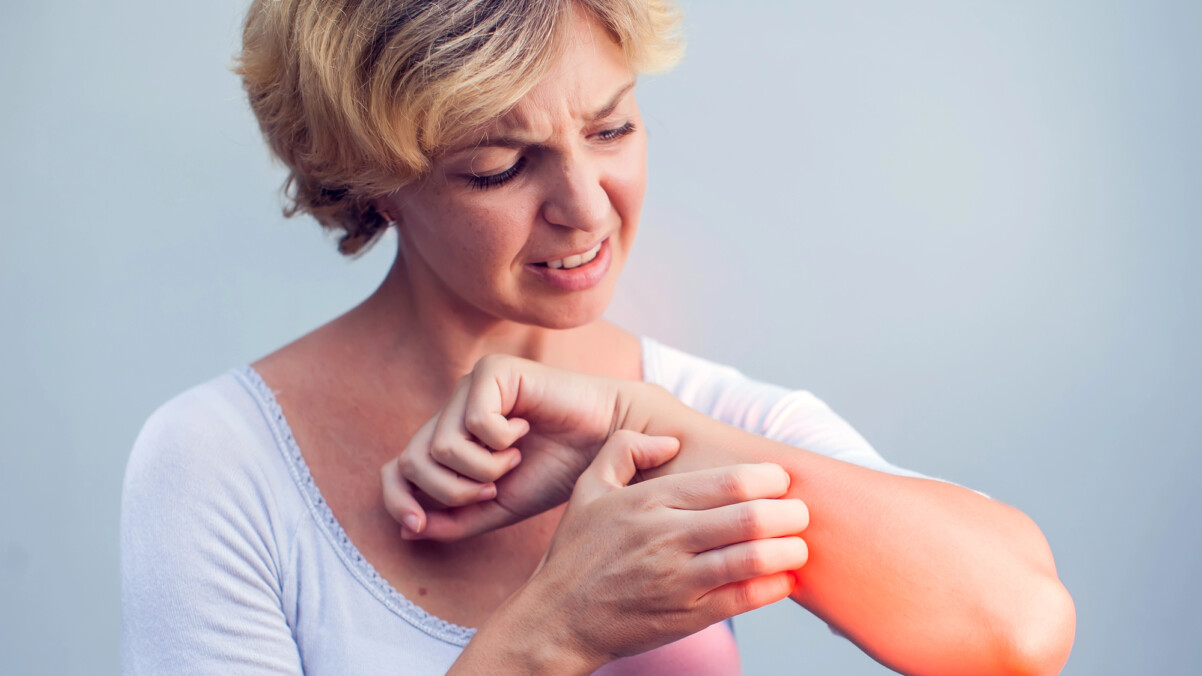
A new itch, prickling feeling or sudden sensitivity can be unsettling, especially when there is no clear cause, and it may indicate changes in your perimenopausal skin. It can also happen without a visible rash. During perimenopause, changing oestrogen levels may affect the skin barrier, which helps hold in moisture and protect against irritation.
Topical Treatments & Products
Emollients and barrier-repair creams are first-line for perimenopausal itchy skin. Look for products labelled for dry or itchy skin that are free from fragrances and harsh preservatives.
Examples include thick emollient creams and ointments. Widely available brands are Hyromol and Aveeno. These leave-on emollients soothe and protect dry, itchy skin and can help with perimenopausal dryness and irritation.
What causes perimenopause itchy skin?
Fluctuating oestrogen levels can affect natural oils, ceramides and the skin barrier. Ceramides help hold moisture in, while natural oils reduce water loss. When levels shift during perimenopause, dryness and sensitivity may follow. Products you have used for years may also start to feel irritating.
Oestrogen also supports collagen production, which helps give skin strength and structure. One source estimates that about 30% of collagen may be lost in the first five years after menopause. These changes vary from person to person and do not explain every new sensation.
Not all itching comes with visible dryness or a rash. In a Newson Health survey, 22% of respondents reported formication: a crawling or prickling feeling. This can relate to nerve sensitivity, rather than a visible condition. A change in sensation can still feel distressing, even when nothing shows on the surface.
If symptoms persist, seem unusual, or impact daily life, consult a GP. They can evaluate other potential causes and recommend appropriate treatment.
Skin changes and other perimenopause symptoms to notice
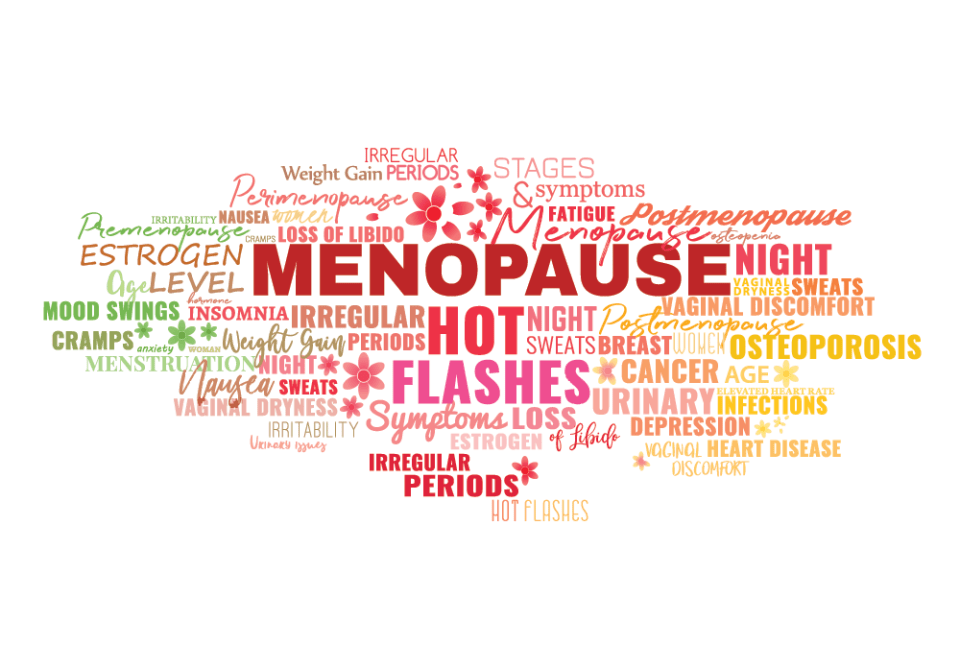
An itchy skin feeling can occur alongside other changes during perimenopause. Hot flushes, night sweats and broken sleep may affect daily life. Some people also notice period changes, low mood, poor focus, joint aches, lower libido or vaginal dryness. Experiences differ, and symptoms can shift over time.
Newson Health survey respondents reported spots or acne (30%) and formication (22%), a crawling or prickling feeling. Dryness and irritation may also occur. Hormonal changes can affect oil production and collagen levels, leading to drier skin, but they do not explain every symptom. Stress may also influence how symptoms feel.
Gentle ways to soothe itchy, dry skin at home
For perimenopause itchy skin, a few gentle changes may help ease discomfort. Choose fragrance-free cleansers and moisturisers. Ceramides and colloidal oatmeal can be soothing for sensitive areas. Avoid products that sting or leave you feeling dry.
After a shower, apply fragrance-free body lotion within a few minutes, while the area is still slightly damp. This helps seal in moisture. Keep showers lukewarm and limit them to about 10 minutes. Pat dry with a soft towel instead of rubbing.
If itching flares, place a cool, damp cloth on the area for a short time. A bedroom humidifier set to 40–50% humidity may also support comfort overnight. Soft cotton clothing can reduce rubbing and is gentle on thinner, more sensitive skin.
Drinking plenty of water supports general hydration, but it does not replace creams or other topical care. Food choices and stress can affect how you feel, yet they may not resolve dryness associated with hormonal decline. If irritation persists, seek individual clinical advice. A GP can help assess the cause and guide care that supports your skin health.
Sun protection matters, too. Use SPF 50 on exposed areas where appropriate, and reapply every two hours while in the sun.
When to seek medical advice about persistent itching
Occasional itchiness may settle, but some symptoms need attention. During perimenopause, speak with a medical professional if severe itching often disrupts sleep, a rash spreads quickly, or blisters or open sores appear. Seek advice if itchy skin stays in one area despite moisturising, or if you think you may have eczema.
Persistent itching can have causes beyond dryness or a hormone shift. A GP can assess the affected area and recommend suitable creams or other care. They can also discuss whether stress, another condition, or treatment may be involved.
Take the next step towards calmer, healthier skin.
Seek medical advice if symptoms persist, become severe or change. A spreading rash or discomfort that disrupts sleep deserves attention. A GP can assess your health, discuss possible causes and explain suitable care. Drinking water supports general wellbeing, but it may not ease the cause of an itch.
Itchy skin is a frequent and treatable issue during perimenopause. Regular use of emollients and barrier-repair creams, lifestyle changes and medical review for persistent cases can provide significant relief. Consider using trusted emollient products such as those available from Hyromol (hydromol.co.uk) and Aveeno (aveeno.co.uk) as part of your daily skincare routine, and consult your medical professional if symptoms continue or worsen.