
Many women notice symptoms during perimenopause and menopause, but when and how strongly they appear can be different for everyone. If you are worried about any symptom, talk to a doctor instead of relying only on general information.
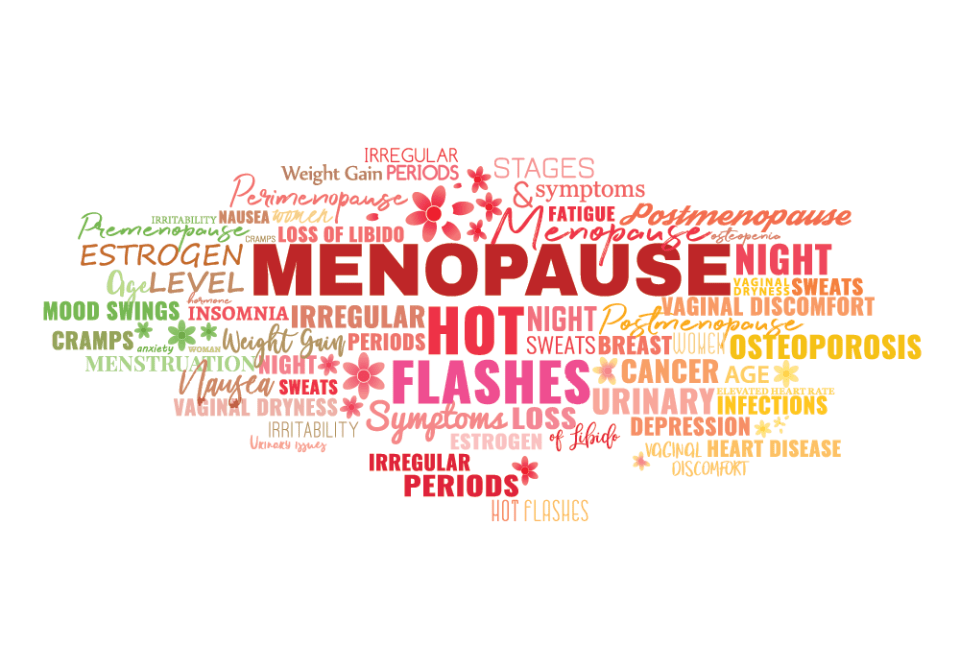
Menopause is a normal part of life that brings hormonal changes. These changes can cause symptoms that affect your body and mind, such as hot flushes, mood swings, tiredness, trouble sleeping, changes in periods, and vaginal symptoms. Some people start to notice these symptoms during perimenopause, before their periods end.
The Women’s Clinic menopause symptom checker can help you spot symptoms and patterns to talk about with your doctor. This tool is for information only and does not give a diagnosis. Use the menopause symptom checker to review what you are experiencing and think about your next steps. If your symptoms are severe, unusual, or affecting your health, contact a healthcare professional right away.
Key Takeaways:
- Menopause symptoms differ between women and can begin during perimenopause.
- Common symptoms include hot flushes, mood changes, tiredness and period changes.
- The Women’s Clinic menopause symptom checker serves as a valuable resource to help you organise information about your menopausal symptoms.
- A symptom checker cannot diagnose conditions or replace professional advice.
- Support should reflect your individual menopause experience, health and priorities.
Understanding Menopause Symptoms
Menopause symptoms can affect both your body and emotions, but everyone goes through them in their own way. Changes can start during perimenopause, before your periods stop. Menopause is usually confirmed when you have not had a period for 12 months in a row, and post-menopause is the time after that. These symptoms can affect your daily life, relationships, work, and sex life, so it helps to notice patterns and seek trustworthy information.
Common menopause symptoms Common menopausal symptoms include hot flashes and night sweats.
- Hot flushes and night sweats: Sudden feelings of heat and sweating, known as hot flashes, can be uncomfortable and may disturb sleep.
- Mood changes: Hormone fluctuations may contribute to irritability, low mood or anxiety, although other conditions can cause similar symptoms.
- Fatigue and sleep difficulties: Tiredness and disrupted sleep can affect concentration, energy and overall health.
- Weight and hair changes: Body composition or hair growth and loss may change, but not all women experience these symptoms.
- Changes to periods: Periods may become irregular, heavier, lighter or further apart before stopping. Contraception may still be necessary during perimenopause.
- Vaginal and urinary symptoms: Dryness, irritation, discomfort during sex or urinary changes can occur because of lower oestrogen.
- Other symptoms: Joint aches, reduced concentration, and other perimenopause symptoms may also occur.
Track your symptoms, periods, and how they affect you over time, then share this information with your GP or a menopause specialist. A symptom checker can help you organise your notes, but it cannot diagnose any conditions. Your healthcare provider can talk you through the best treatments and options for your needs.
Exploring Specific Menopause Symptoms
Menopause and perimenopause can bring some less well-known symptoms that may affect your daily life, health, sleep, focus, relationships, work, exercise, and sex life. Noticing these changes can help you find good information and the right support. Hormone changes are not always the cause of the symptoms listed below, so a symptom checker can help you spot patterns, but it cannot diagnose conditions or decide which treatments you need.
Altered Skin Sensation
Some people notice itching, tingling, burning, or numbness during perimenopause or menopause. These changes might be linked to hormone shifts. However, if you have ongoing or unexplained itching, a rash, weakness, or loss of feeling, it could be due to something else and should be checked by a healthcare professional. Talk to your doctor if you notice sudden or severe changes in your hair or skin, as these could be related to menopausal symptoms.
Anxiety
Anxiety can happen during perimenopause and menopause. Hormone changes, poor sleep, life events, and other health issues can all contribute to feeling worried or restless. Support might include talking therapy, stress management, lifestyle changes, or other treatments. If you ever have thoughts of self-harm along with anxiety, get help right away.
Bladder Infections and Symptoms
Lower oestrogen during menopause can affect vaginal and urinary health, making dryness, urgency, frequent urination, or leakage more likely. Not every urinary symptom is a bladder infection, so you might need tests to find the cause. See a doctor if you have pain when urinating, a fever, blood in your urine, or symptoms that do not go away.
Body Odour
You might notice changes in sweating or body odour around menopause, but there is little evidence for this, and other causes are possible. If you have sudden, ongoing, or unusual changes, talk to a healthcare professional instead of assuming it is normal.
Bowel Symptoms
Bloating, constipation, and indigestion can change during menopause due to hormones, diet, stress, or other reasons. Eating foods high in fibre, drinking plenty of water, and staying active can help. See a healthcare professional if your symptoms last, you have severe stomach pain, or you notice blood in your stool.
Brain Fog
Brain fog means having trouble concentrating, being forgetful, or feeling mentally tired during perimenopause and menopause. Poor sleep, anxiety, medicines, and other health problems can also make it hard to focus. Talk to a doctor if you have sudden confusion, new nerve-related symptoms, or big changes that affect your daily life. Tracking your symptoms over time can help you and your doctor find the right treatment.
Menopause symptoms can be mild or strong and last for different lengths of time. Your periods might keep going or change during perimenopause. Use the symptom checker to start tracking your symptoms, and then get personal advice about your health, treatment, and options.
Managing and Addressing Menopause Symptoms
Treatment for menopause should match your symptoms, health, medical history, and what you prefer. Hormone replacement therapy (HRT) can help some women with hot flushes, night sweats, vaginal symptoms, and sleep problems during perimenopause or menopause. HRT isn’t right for everyone, so your doctor can discuss the benefits, risks, how it is given, and the best option and dose for you. If you have a womb, you may need progesterone along with oestrogen to protect the womb lining.
Natural remedies and non-hormonal treatments might help too, depending on what you need. Staying active, using relaxation techniques, and talking therapies can support your mood, sleep, and overall health. Herbal products can interact with medicines and their quality can vary, so check with a pharmacist or doctor before using them. Local oestrogen may help with vaginal or urinary symptoms, including discomfort during sex.
Simple lifestyle changes can help you feel better. Eating a balanced diet, getting enough calcium, and doing weight-bearing exercises help keep your bones strong. Good sleep habits can also reduce tiredness. Track your symptoms, periods, hair, or other changes over time so you have helpful information to share with your doctor when discussing treatments and options.
Your experience with menopause is unique, and making decisions together with your doctor can help you find the right treatment. Get medical help quickly if you have heavy bleeding, bleeding after menopause, chest pain, severe shortness of breath, or any new worrying symptoms. A symptom checker can help you organise your information before seeing a doctor, but it cannot diagnose any conditions.