
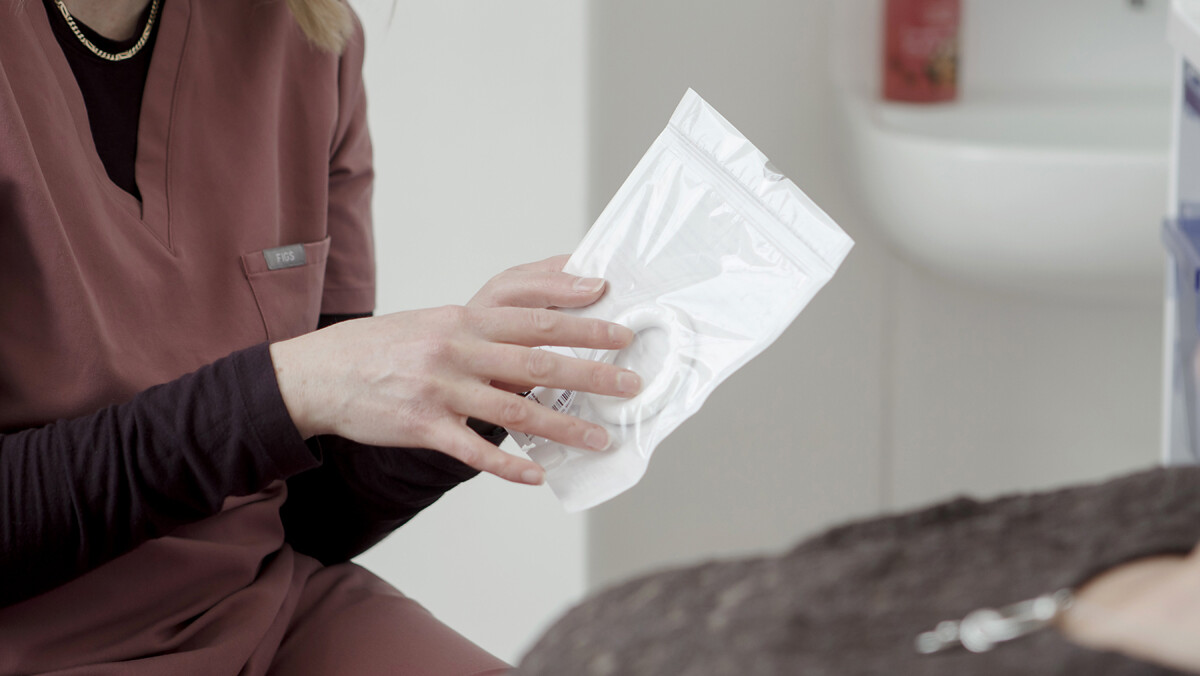
Pelvic organ prolapse affects 30 to 50 per cent of women worldwide at some point in their lives. It happens when organs like the bladder, uterus, or rectum shift out of place, causing a feeling of bulge or pressure.
A vaginal pessary is a non-surgical treatment that can be very effective. This removable device, made from safe silicone, sits inside the vagina to support weakened tissues. Many women use pessaries to manage prolapse without surgery.
This article explains pelvic organ prolapse and the different types of pessaries. You’ll find out what happens during a fitting and how to care for your device.
Understanding pelvic organ prolapse and how pessary support works
The pelvic floor muscles and connective tissue support your bladder, uterus, and bowel. They keep these organs in place. When they work right, you don’t feel any discomfort inside the vagina.
Pelvic organ prolapse occurs when these muscles and tissues become weak, allowing organs to drop into the vagina.
Several factors can weaken your pelvic floor. Having more than one vaginal delivery is a common cause, as pregnancy and childbirth put a lot of strain on these muscles.
A hysterectomy or other pelvic surgeries can also weaken the pelvic floor by changing its support. Conditions that cause frequent straining can contribute to prolapse as well.
Chronic constipation, ongoing coughing, and repeated heavy lifting at work or during exercise can also weaken the pelvic floor.
As women get older, especially after menopause, hormonal changes can make tissues less strong and elastic. This natural process can lead to prolapse, even in the absence of other risk factors.
There are different types of vaginal prolapse. A cystocele happens when the bladder bulges into the front vaginal wall. Women often notice urinary symptoms with this type.
A rectocele occurs when the rectum bulges into the back vaginal wall. This can affect bowel movements, making you feel like you’re not fully emptying your bowels. Some women need to press on the vaginal walls to help with bowel movements.
An enterocele happens when the sigmoid colon bulges into the upper back vaginal wall.
Uterine prolapse involves the womb descending through the vaginal canal. In severe cases, the cervix or entire uterus can protrude outside the body.
After a hysterectomy, vaginal vault prolapse can occur. This is when the top of the vagina descends because the uterus is no longer there.
Each type of prolapse has its own symptoms based on which organ is affected.
Women with prolapse often notice a bulge or pressure inside the vagina, or feel as if something is falling out. This feeling can get worse as the day goes on or after standing for a long time.
Many women have urinary problems, such as hesitancy, incomplete bladder emptying, or leaking urine when coughing or sneezing. Some notice more vaginal discharge. Bowel movements and sex can also become uncomfortable.
A pessary is a non-surgical solution. It is a device placed into the vagina to provide support and hold the prolapsed organs in place.
The pessary supports the area of the vaginal wall where it is weak, whether at the front, back, or top, or in several places. Knowing how it stays in place helps explain why it works so well.
The device is held in place by your natural anatomy. At the top, it’s supported by the uterus or vaginal vault if you’ve had a hysterectomy. On the sides, your levator muscles support it. At the bottom, the pubic bone and vaginal introitus anchor it.
This three-point support system keeps the pessary in place during normal activities. It works with your body’s natural structure, and the cervix often adds extra support at the top.
By supporting the vaginal walls, the pessary quickly reduces the feeling of a bulge. Many women can return to their usual activities, like walking, exercising, lifting, and daily tasks, without discomfort or constant awareness of prolapse.
A pessary can also help with urinary symptoms. When it supports the bladder well, many women notice their stress incontinence improves. Restoring the anatomy can lead to better bladder control and more complete emptying.
Pessary treatment gives women a way to manage prolapse and incontinence without surgery. This option is especially helpful for those who want to avoid surgery or have health conditions that make surgery risky.
One advantage of pessary support is that it is reversible. If your situation changes, the pessary can be removed at
any time. If you decide to have surgery later, using a pessary does not affect the outcome. It offers symptom relief while you consider your long-term options.
Learning about your pelvic floor and how prolapse happens can help you see why pessary support is a good option. It solves a physical problem with a physical solution, working with your body to restore comfort and function.

Vaginal pessary for prolapse: types, sizing, and what fitting actually involves
Pessaries come in many shapes and sizes because everybody is different. Getting the right fit is essential.
Most pessaries are made from medical-grade silicone, which is safe, comfortable, and hypoallergenic.
Understanding the Two Main Types of Pessary
Pessaries are divided into support pessaries and space-occupying pessaries. Each type helps manage prolapse symptoms differently.
Support pessaries provide gentle support and are easy to insert and remove, making them a good choice for self-management.
Space-occupying pessaries take up more space and offer stronger support, making them best for more severe cases.
Ring Pessary: The Most Commonly Used Option
The ring pessary is the most commonly used type. Ring pessaries are popular because they come in many sizes, allowing for a precise fit.
They are affordable and easy to fit, and many women can learn to insert and remove their own ring pessary.
Most women can have sexual intercourse with a ring pessary in place, which is important for many patients.
For stage II or III prolapse, we usually start with sizes 3, 4, or 5, as these fit most women well.
Space-Occupying Pessaries for Advanced Cases
For more advanced prolapse, there are space-occupying pessaries. These include the Gellhorn, cube, doughnut, and spherical pessaries.
The Gellhorn pessary is often used for advanced cases. Its broad base and stem help it stay securely in place.
We recommend Gellhorn pessaries for stage III or IV prolapse, or when other pessaries have not worked.
The cube pessary stays in place using suction. It is helpful for severe prolapse, especially when muscle tone is low.
Cube pessaries need to be removed and reinserted every day. We show you how to do this during your fitting.
The doughnut pessary is a middle option, suitable for moderate to severe prolapse. It offers strong support and can be removed for cleaning.
The Fitting Process
We start with a thorough examination to check your prolapse type and severity. We measure your vaginal length and opening width to choose the right pessary.
Finding the right pessary often takes some trial and error. We usually try two or three different pessaries to find the best fit.
Our goal is to find the largest size that still feels comfortable. If a pessary is too small, it may fall out, but the right size will stay in place.
We use a water-based lubricant during insertion to make it more comfortable. The pessary is placed gently to give the best support.
After inserting the pessary, we check its position. There should be about a finger’s width between the device and your vaginal wall to make sure it is comfortable and works well. Comfort and Retention.
Once the pessary is in place, we ask you to walk, sit, and stand to make sure it feels comfortable.
We also check that you can urinate normally with the pessary in place, to make sure it is not blocking your bladder.
If the pessary feels uncomfortable or does not stay in place, we try a different size or type to make sure you get the best result.
Learning Self-Management of pessaries
Many women who use a ring pessary can learn to insert and remove it themselves. We teach you how to do this during your fitting appointment.
Being able to manage your pessary yourself gives you more freedom and flexibility. You can take it out for cleaning, during intimate moments, or whenever you choose.
Women who use Gellhorn, cube, or other space-occupying pessaries need help from a clinician to remove them.
Care, self-management, follow-up schedules, and complications to watch for
Taking care of your pessary is important for comfort and success. You can clean it weekly or nightly with mild soap and water.
Vaginal discharge is common and usually indicates inflammation rather than an infection. Hormone cream can help keep tissues healthy. If discharge becomes a problem, we may temporarily remove the pessary.
Ring pessaries can usually stay in during sex, but some women prefer to take them out first. This is one of the benefits of managing your pessary yourself.
If you have heavy bleeding, severe pain, or trouble urinating, please contact a health professional right away, as these could be signs of a serious problem. However, with regular check-ups, complications are rare.