
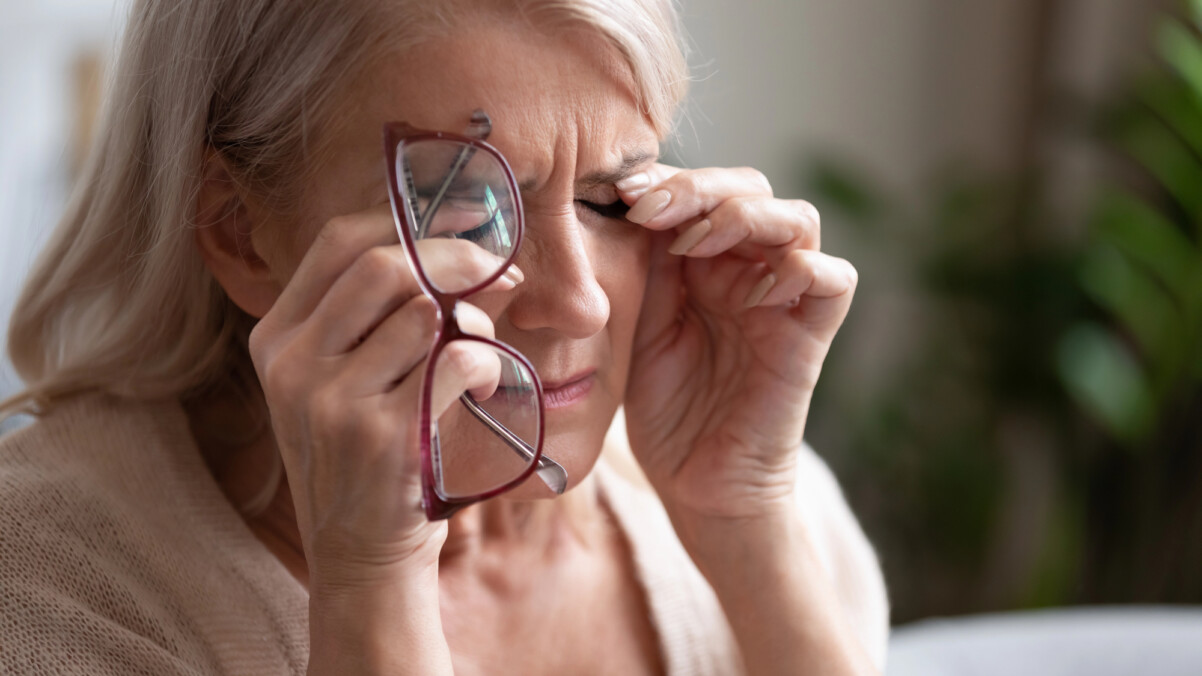
Did you know that approximately 60% of perimenopausal and menopausal women experience uncomfortable eye symptoms? This highlights an interesting link between hormonal changes and your eye health. So it’s no surprise that it often catches women off guard.
In my 20 years as a GP and BMS Registered Specialist, I’ve seen many patients surprised that their eye discomfort could be a symptom of menopause.
The reality is that experiencing dry eye is quite a common symptom. It’s not just a minor issue to be overlooked. Recognising this connection is the first step towards getting relief and protecting your eye health.
In this guide, you’ll learn about the hormonal causes of dry eyes, how to spot the symptoms, and effective treatment options.
Can menopause cause dry eyes?
Yes, menopause can cause dry eyes, affecting most women. The connection between dry eyes and menopause is not random. It stems from hormonal shifts that directly influence your eye health.
Menopause leads to a decrease in androgen (testosterone), estrogen, and progesterone production. These hormones are crucial for maintaining eye health, as they help regulate tear production.
Testosterone, the most prevalent sex hormone in women, peaks in the twenties and declines by 50% by the forties. This decline continues, with another 25% drop in the fifties and a further 25% in the sixties. This pattern explains why dry eyes often appear during perimenopause and worsen over time.
On the eye’s surface, each blink releases a tear film with three layers: water, oil, and mucous. This film is vital for eye protection, nourishment, and lubrication.
The most common cause of dry eye isn’t a lack of water but a problem with the oil layer. The meibomian glands in your eyelids play a key role here.
These glands secrete oil that prevents the watery layer from evaporating too quickly. Testosterone supports these glands, ensuring they produce sufficient, healthy oil.
With testosterone decline during menopause, the meibomian glands malfunction. They produce inadequate or poor-quality oil, causing evaporative dry eye. This condition is common, affecting 86% of dry eye cases.
Changes in estrogen levels also contribute to dry eye symptoms. Some research suggests this is why women may experience dry eye at certain times in their cycle or while on birth control.
The lacrimal glands, which produce the watery component of tears, are also affected by hormonal shifts. These glands rely on specific chemical signals to maintain tear stability. These signals are disrupted during menopause, leading to dry eye symptoms.
Declining androgen levels lead to inflammation in the meibomian and lacrimal glands. This inflammation reduces tear production and quality, causing discomfort during menopause.
Specifically, eyelid inflammation affects meibomian gland function, leading to increased tear evaporation and drier eyes. This is a real biological change affecting eye health.
Understanding these mechanisms empowers you. Recognising the link between menopause and dry eyes, driven by hormonal changes, helps you seek effective treatment. The risk of dry eye increases during this transition, but there are solutions.
It’s important to know that experiencing dry eyes during menopause is common and treatable. These symptoms are not coincidental but are linked by a clear biological pathway to hormonal decline.
Symptoms of Dry Eyes During Menopause and Perimenopause
Dry eye symptoms during menopause can range from mild discomfort to significant disruption. It’s important to recognise these symptoms in order to get timely treatment.
The most common symptom is a persistent feeling of inadequate lubrication in the eyes. You might experience burning in the eyes, often at the end of the day or after screen time.
Many women describe a gritty feeling in their eyes, as if sand or small particles are trapped. This occurs when the tear film fails to properly lubricate the corneal surface.
Itchy eyes are another frequent complaint. Women often mistakenly attribute this to seasonal allergies, not realising it’s a symptom of dry eyes.
You may also notice red eyes due to inflammation and irritation. The redness typically worsens throughout the day, in air-conditioned or heated environments.
Interestingly, excessive tearing can also be a sign of dry eyes. When your eyes become dry, they trigger a reflex that produces more tears to compensate.
A foreign body sensation – feeling like something is in your eye when nothing is – can be distressing. This happens when the tear film breaks down and fails to protect the eye surface.
Blurred vision is common due to an unstable tear film, which affects how light enters your eye. Your vision may fluctuate, often clearing when you blink.
Symptoms worsen during activities that reduce blinking. Computer work, reading, watching TV, and long-distance driving all decrease your blink rate, allowing the tear film to evaporate more quickly.
Many women notice their symptoms are worse in the morning. Sleeping without blinking allows the oil layer in your tear film to break down overnight, leading to dry, uncomfortable eyes upon waking.
This morning discomfort is a hallmark sign of evaporative dry eye. The eyes release a tear film that should lubricate and protect, but without regular blinking, the film becomes unstable.
Dry eye symptoms during certain times of your menstrual cycle may indicate hormonal influences. Some women find their eye symptoms worsen as they progress through perimenopause into menopause.
People with dry eyes often develop secondary problems that compound their discomfort. Increased dryness may lead to heightened sensitivity to eye allergies, as fewer tears are available to flush allergens away from the eyes.
Wearing contact lenses can become uncomfortable or impossible. Contact lenses require adequate tear film to remain comfortable, and chronic dry eye makes this difficult to maintain.
There’s also an increased risk of eye infections. Your tears provide important antimicrobial protection, so when tear production decreases, your natural defences are compromised.
Symptoms may range from mildly annoying to severely impactful. While occasional dry eye discomfort is common, persistent symptoms shouldn’t be dismissed as simply a normal part of ageing.
Certain warning signs warrant immediate professional attention. If you experience severe dry eye that doesn’t improve with over-the-counter treatments, or if your symptoms cause pain, seek medical evaluation.
When dry eyes are accompanied by a persistently dry mouth, this combination could indicate Sjögren’s syndrome. This autoimmune condition causes both symptoms and requires specialist care to manage properly.
Pronounced vision changes that affect your daily activities also require professional assessment. At The Women’s Clinic, we evaluate dry eye symptoms as part of our menopause care.
We recognise that managing these symptoms significantly improves your quality of life during this transition. Understanding what you’re experiencing is the first step towards finding effective relief and preventing long-term complications.
How to Treat Dry Eyes During Menopause and Perimenopause
Managing dry eyes during menopause requires a multifaceted approach. At The Women’s Clinic, I’ve guided countless women through effective treatment options that bring genuine relief.
First-line treatments typically include lubricating eye drops or artificial tears. For dry eyes during menopause, I recommend preservative-free formulations that contain both water and oil supplements. These work better for evaporative dry eye than water-based drops alone.
A warm compress applied to closed eyelids for 8-10 minutes helps melt the oil in your meibomian glands. The melting point sits at 42-44°C, so the compress should feel warm, not hot. Gentle eyelid hygiene removes debris and supports healthy gland function.
Screen time demands special attention. The 20-20-20 rule offers simple relief: every 20 minutes, look at least 20 feet away for 20 seconds. Position your computer screen below eye level to reduce tear evaporation.
Nutrition plays a valuable role in eye care. Omega-3 fatty acids from fatty fish, walnuts, and flaxseed support healthy oil production. Vitamin D supplementation (600 I.U. daily) may help with dry eyes.
Environmental changes protect your eyes, too. Use a humidifier at home, wear wraparound sunglasses outdoors, and redirect air vents away from your face.
When home treatments for dry eyes don’t help after a few weeks, professional intervention becomes necessary. Prescription eye drops, corticosteroid eye drops, oral antibiotics, or punctal plugs may be recommended by your eye doctor.
As a BMS Registered Specialist and GP with nearly 20 years of experience, I provide complete perimenopause and menopause advice at The Women’s Clinic. We develop personalised treatment plans that address your complete symptom picture, coordinating with eye specialists when needed.
Frequently Ask Questions
What is the connection between menopause and dry eye syndrome?
The link between dry eye and menopause is primarily hormonal. During menopause, women experience significant changes in hormone levels, particularly decreases in estrogen and progesterone. These hormonal fluctuations affect the function of the meibomian glands and tear production, which can lead to dry eye syndrome. Research shows that women are more frequently affected by dry eye during and after menopause due to hormonal changes that affect the surface of the eye and tear film stability.
What are the most common symptoms of dry eye syndrome experienced during menopause?
Dry eye symptoms during menopause typically include persistent dryness, a gritty or sandy sensation in the eyes, burning or stinging, redness, blurred vision, sensitivity to light, and excessive watering as the eyes try to compensate for dryness. Many menopausal women also report eye fatigue, especially after reading or screen time. These symptoms of dry eye syndrome can range from mild irritation to severe discomfort that significantly affects daily activities and quality of life.
What causes dry eyes during menopause?
Several factors contribute to what causes dry eyes during menopause. The primary cause is the decline in estrogen and progesterone, hormones that play crucial roles in maintaining healthy tear production and composition. Estrogen influences the meibomian glands, which produce the oily layer of tears that prevents evaporation. Additionally, ageing itself, inflammation, environmental factors like dry air, medications, and autoimmune conditions can compound the problem. The combination of hormonal changes and these risk factors for dry eye creates a perfect storm for the development of chronic dry eye during this life stage.
How does menopause affect your eyes beyond causing dryness?
Menopause can affect your eyes in multiple ways beyond dry eye disease. Hormonal fluctuations can cause changes in vision prescription, making glasses or contact lenses less effective. Some women experience increased light sensitivity, difficulty with night vision, and changes in colour perception. The decrease in estrogen can also affect the cornea’s thickness and curvature, potentially impacting visual clarity. Additionally, menopausal women may be at higher risk for other eye conditions such as cataracts and glaucoma, making regular eye examinations particularly important during this transition.
What are the best eye drops for menopause-related dry eye?
The best eye drops for menopause depend on the severity and type of dry eye. For mild cases, preservative-free artificial tears used several times daily can provide relief. For moderate symptoms, lubricating gel drops or ointments offer longer-lasting moisture. Women with chronic dry eye may benefit from prescription drops that reduce inflammation or increase tear production. Omega-3 supplements can also help with dry eyes by improving tear quality. It’s important to consult an eye care professional to determine which treatment options are most appropriate for your specific condition, as the best eye drops vary based on whether you have aqueous-deficient or evaporative dry eye.
Can hormone replacement therapy help with dry eyes due to menopause?
The relationship between hormone therapy and dry eye is complex and somewhat contradictory. While hormone replacement therapy addresses many menopause symptoms, research shows it may actually worsen dry eye syndrome in some women rather than improve it. Some studies suggest that estrogen-only therapy may increase the risk of dry eye disease, while combination therapy with progesterone might have different effects. If you’re considering hormone therapy, discuss the potential impact on your eye health with both your gynaecologist and eye care provider to weigh the benefits and risks for your individual situation.
Is dry eye a common symptom of perimenopause and menopause?
Yes, dry eye is a very common symptom of perimenopause and menopause. Studies indicate that women are affected by dry eye syndrome at significantly higher rates than men, with the gap widening after menopause. It’s estimated that approximately 60% of menopausal women experience some degree of dry eye symptoms. This makes it one of the most common menopause-related conditions affecting the eyes. The prevalence increases with age, and many women find that dry eye symptoms begin during perimenopause and may persist or worsen as they transition through menopause unless properly treated.
How can you prevent dry eye or reduce dry eye symptoms during menopause?
While you cannot completely prevent dry eye related to hormonal changes, several strategies can help minimise symptoms. To keep your eyes comfortable, use a humidifier to combat dry air, especially in heated or air-conditioned environments. Take regular breaks to rest your eyes when using digital devices, following the 20-20-20 rule (every 20 minutes, look at something 20 feet away for 20 seconds). Stay well-hydrated, include omega-3 fatty acids in your diet, avoid smoke and wind exposure, and wear wraparound sunglasses outdoors. Maintain good eyelid hygiene with warm compresses, and use preservative-free artificial tears proactively rather than waiting until symptoms become severe.
What treatment options are available for chronic dry eye during menopause?
Treatment options for chronic dry eye in menopausal women range from conservative to advanced interventions. Initial approaches include over-the-counter lubricating drops, warm compresses, and lid massage to improve meibomian gland function. Prescription options include anti-inflammatory drops, tear-stimulating medications, and autologous serum eye drops made from your own blood. In-office procedures such as intense pulsed light therapy, meibomian gland expression, and punctal plugs (which block tear drainage) may be recommended for moderate-to-severe cases. A comprehensive evaluation at a specialised facility can help determine the most effective combination of treatments for your specific dry eye condition.